
Meet Church Seruwu: Building Trust, Creating Opportunity
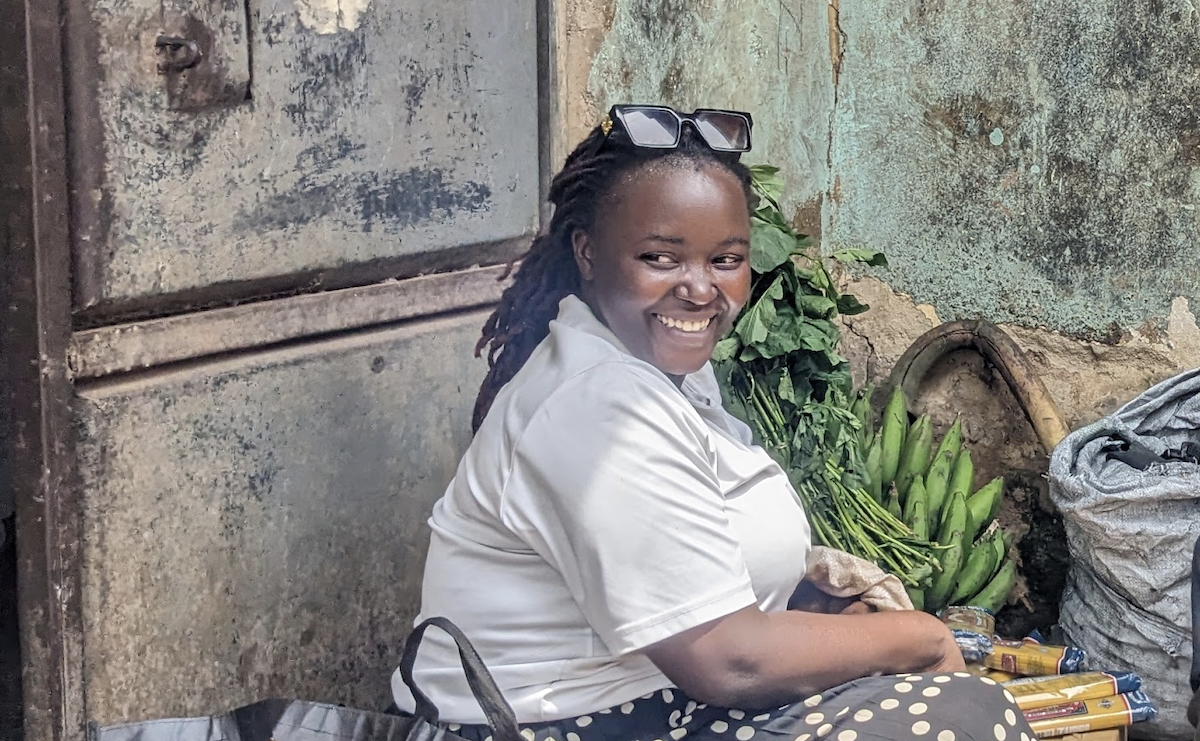
For Church Seruwu, meaningful change often begins with something simple: earning someone’s trust.
As Program Mentor for Mothers at Peter’s Heart, Church works directly with women living in some of the most vulnerable communities in and around Kampala. Many are raising children amid poverty, unstable housing, domestic violence, addiction, and other difficult circumstances. Some have experienced rejection so often that accepting help can be challenging.
Church’s job is to keep showing up. “I want to see that change. I want to see that transformation,” Church says. “And I make sure that I don’t judge them.”
That approach has earned her a special name among many of the mothers she serves: “Baba,” a term used for an elder sister. “They’re calling me that name because of the acceptance they feel in me,” Church explains. “Once others are judging, I bring them close.”
Walking Alongside Mothers
Church is a qualified faith-based social worker with a Certificate in Social Work and Community Development, a Certificate in Trauma Healing, and a Diploma in Bible Leadership. Her training helps her address the practical, emotional, and spiritual challenges facing Peter’s Heart families.
Her commitment to vulnerable mothers extends beyond Peter’s Heart. Church also works with Motherhood Africa, a community-based organization supporting young mothers who are pregnant, homeless, or facing other difficult circumstances.
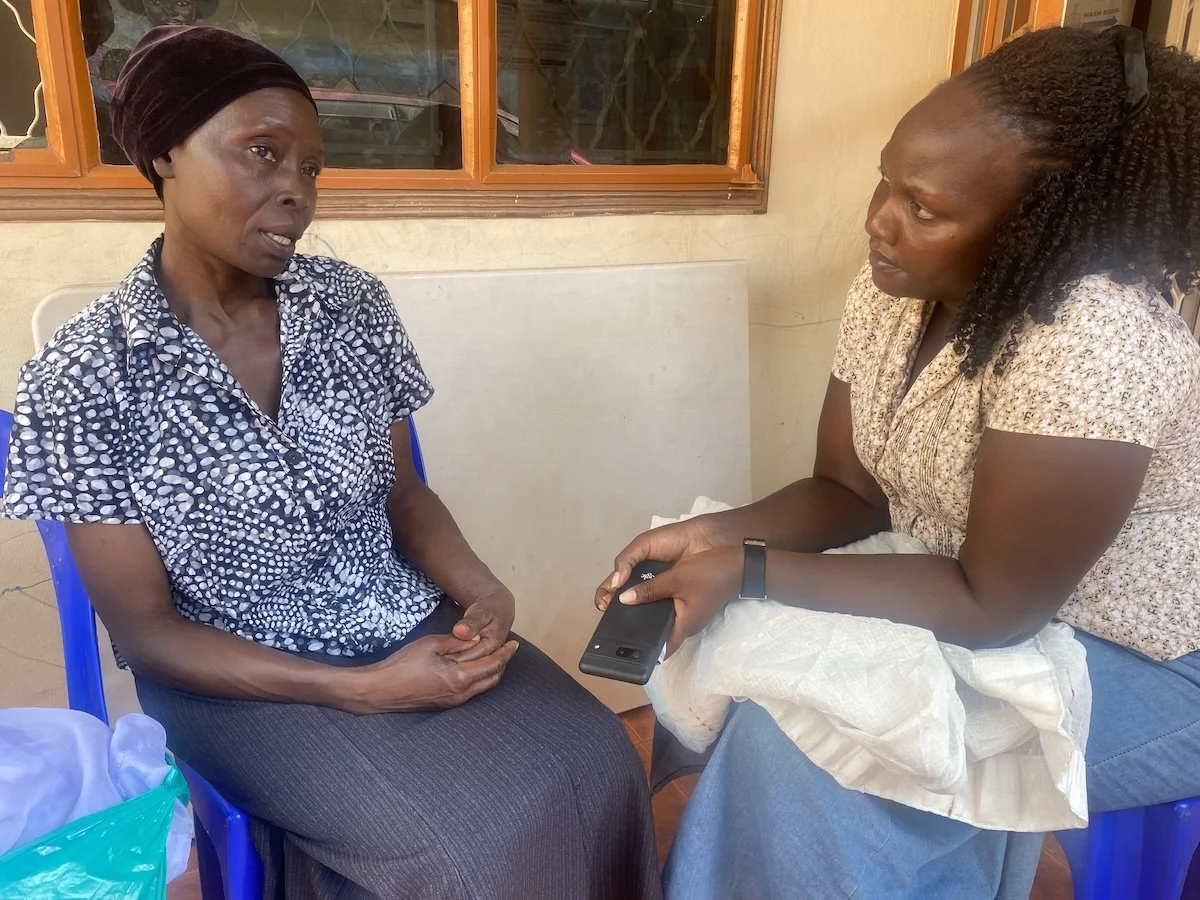
At Peter’s Heart, much of her week is spent meeting mothers where they are. On Mondays, she visits women in their communities, typically meeting with three mothers at a time for conversations about parenting, family planning, communication, and other life skills. Thursdays combine faith-based discussions with practical training, while Friday sessions at the Peter’s Heart office focus on identity and self-worth.
Those topics are intentional. Church says many mothers have experienced so much rejection that they struggle to believe others genuinely care about them. “They don’t know how to be loved,” she says. “If you love them, they think that you’re pretending.”
Building relationships slowly and consistently helps break through those barriers.
Strengthening Mothers, Strengthening Families
Parenting is an especially important part of Church’s work because the well-being of Peter’s Heart children is closely connected to what happens at home.
Church encourages mothers to move beyond physical punishment and instead build stronger relationships with their children. “It’s all about building relationships with your children and also understanding your child,” she says. “It will help you to raise that child.”
These conversations become particularly important before school holidays, when Peter’s Heart children leave the stability and structure of school and return home. Some children have told the team they do not want to go home during breaks, a warning sign that staff members take seriously.
When Peter’s Heart identifies concerns such as neglect, addiction, or unsafe living conditions, Church and the team work directly with mothers on parenting skills and children’s rights. When necessary, they involve local community leaders before escalating serious situations to other authorities.
The goal is not simply to respond to a crisis. It is to help mothers create homes where children can feel safe, cared for, and connected.
From Crisis to Safety
Sometimes, however, immediate intervention is necessary.
One recent case involved Sylvia, a young mother of three who was experiencing severe domestic abuse. Peter’s Heart had initially connected with Sylvia while she was pregnant and enrolled one of her daughters in its program.
As Church developed a relationship with Sylvia, the young mother gradually began sharing what was happening at home and the danger she was in from threats of violence. Church and the Peter’s Heart team worked to get Sylvia and her children to safety, enlisting the help of local leaders.
The intervention succeeded. Sylvia and her three children stayed temporarily at the Peter’s Heart office while Church and the team worked with extended family members to find them a safe home. Peter’s Heart will help her take the next step: establishing a small roadside grocery business selling items such as tomatoes, onions, and sugar cane.
The experience demonstrates how complex Church’s work can be. Supporting a mother may mean teaching parenting skills one week and helping navigate a potentially life-threatening family crisis the next.
Creating Paths Toward Independence
For mothers who are ready, economic stability can be an important step toward building safer, more sustainable lives.
One Peter’s Heart initiative teaches mothers to make and sell liquid soap. About 12 women initially received materials to launch small businesses, and five have continued consistently. They sell soap to help provide food and other necessities for their families while also saving 1,000 Ugandan shillings each day in individual accounts in their own names.
The financial gains are modest, but Church sees something else happening, too.
“They feel so, so unique,” she says.
Some of the successful participants are now being identified as leaders who can encourage and eventually help train other mothers. Church sees that peer leadership as another measure of progress: women who once needed help beginning to see themselves as people who can help others.
Meeting Each Mother Where She Is
Church has also learned an important lesson: not every mother is immediately ready for a business opportunity.
Some women Peter’s Heart serves are coping with significant trauma, substance addiction, or exploitation. The team initially hoped that providing startup funds might help some of these mothers establish a different source of income. But after several attempts were unsuccessful, they realized economic assistance alone was not enough.
“Slowly, we understood that they just need someone to talk to,” Church says.
Peter’s Heart has since added the support of Dr. Rachel, a volunteer clinical psychologist who meets with mothers monthly and is developing both group and individual sessions for women dealing with particularly difficult circumstances.
It reflects Church’s broader philosophy: understand what each woman needs and help her move forward from where she is.
The Power of Being Present
Progress is not always quick. Some mothers are reluctant to share what is happening in their lives, and Church says the truth may only emerge after relationships have been built over time. Without that openness, providing the right support can be difficult.
That makes patience, acceptance, and consistency some of the most important tools Church brings to her work.
Together with her husband, Peter’s Heart co-founder Geoffrey Seruwu, Church has extended that commitment into her own home. The couple has four biological children and has fostered and hosted other children from the Peter’s Heart community.
For Church, caring for vulnerable children and supporting their mothers are inseparable parts of the same mission. Stronger mothers can create stronger families — and give children a better opportunity to thrive.
The work can be emotionally demanding. But Church says seeing a mother begin to change keeps her going. “I have the passion to help these mothers,” she says. “I want to see that transformation.”
And often, that transformation starts with one person willing to bring someone close, listen without judgment, and earn her trust.